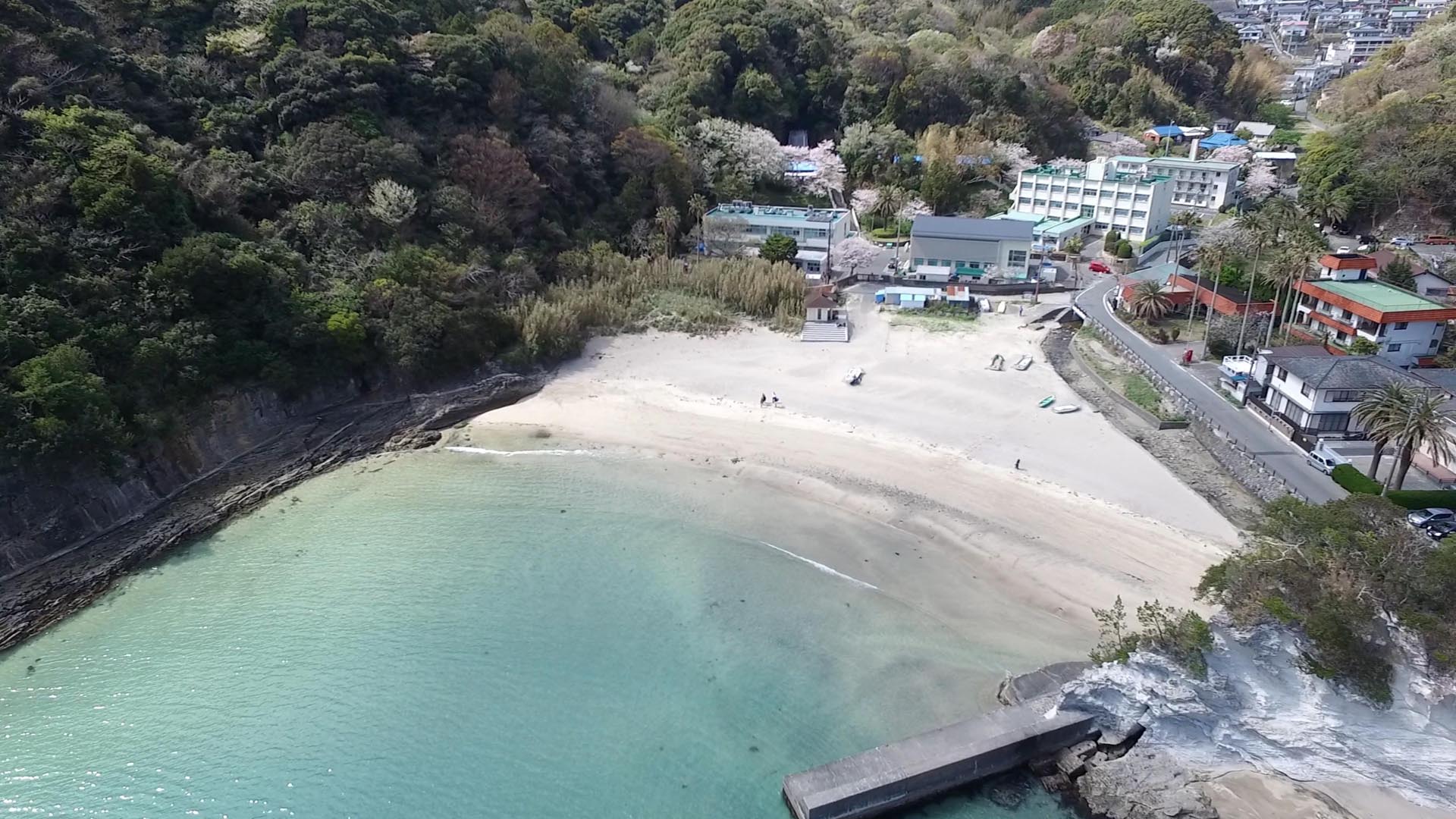
On Japan’s southern Izu Peninsula, where the Kuroshio Current brings tropical warmth against temperate shores, the Shimoda Marine Research Center (SMRC) of the University of Tsukuba stands at the frontier of discovery. Since its founding in 1933, this coastal institute has bridged two worlds—the microscopic and the ecological, uniting molecular-level insight with field-based ocean research to understand life’s complexity under changing seas.
Shimoda’s coastline marks one of the most striking biogeographic boundaries in the western Pacific. Here, temperate and subtropical species co-exist within a few kilometres, creating a natural laboratory to explore biodiversity, evolution, and adaptation.
Molecular Insights Beneath the Waves
Inside the SMRC’s main facility, researchers delve into the cellular and genetic processes that define marine life. The center is home to Japan’s leading ascidian model system, Ciona intestinalis, and to the National BioResource Project for Ascidians, which supplies transgenic and mutant lines to scientists worldwide. Researchers use metagenomics, genome editing, single-cell transcriptomics, and high-resolution imaging to explore phylogeny, metamorphosis, neurogenesis, and the evolution of cilia and flagella, revealing how ancient marine organisms develop and interact with their environment.
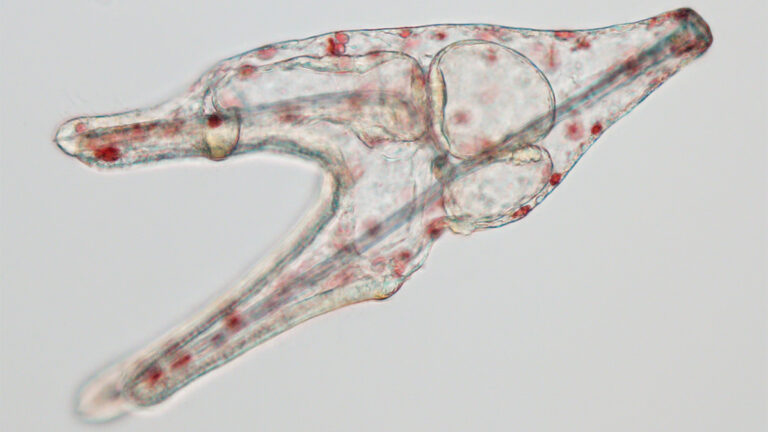
Sea urchins (Hemicentrotus pulcherrimus) add another layer to this genetic tapestry, with the SMRC’s HPBase genome database serving as a vital international reference. These molecular and developmental studies not only uncover how marine species function but also illuminate evolutionary links across the animal kingdom—from simple placozoans to complex chordates.
Exploring the Ecology of a Warming Sea
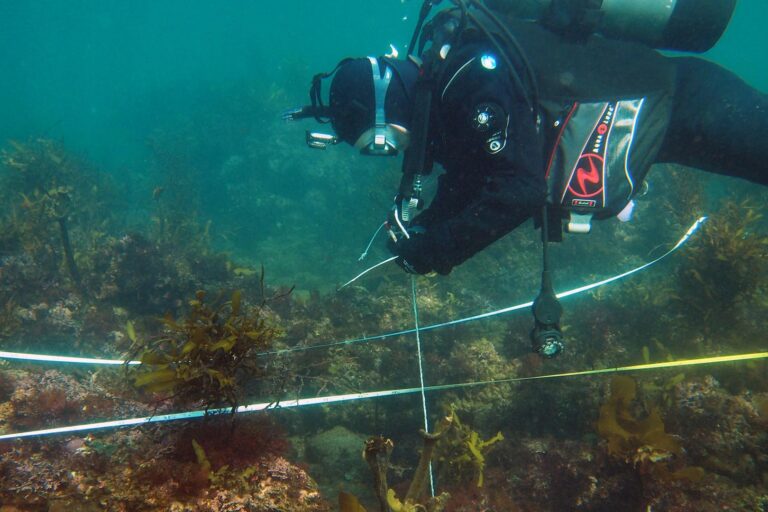
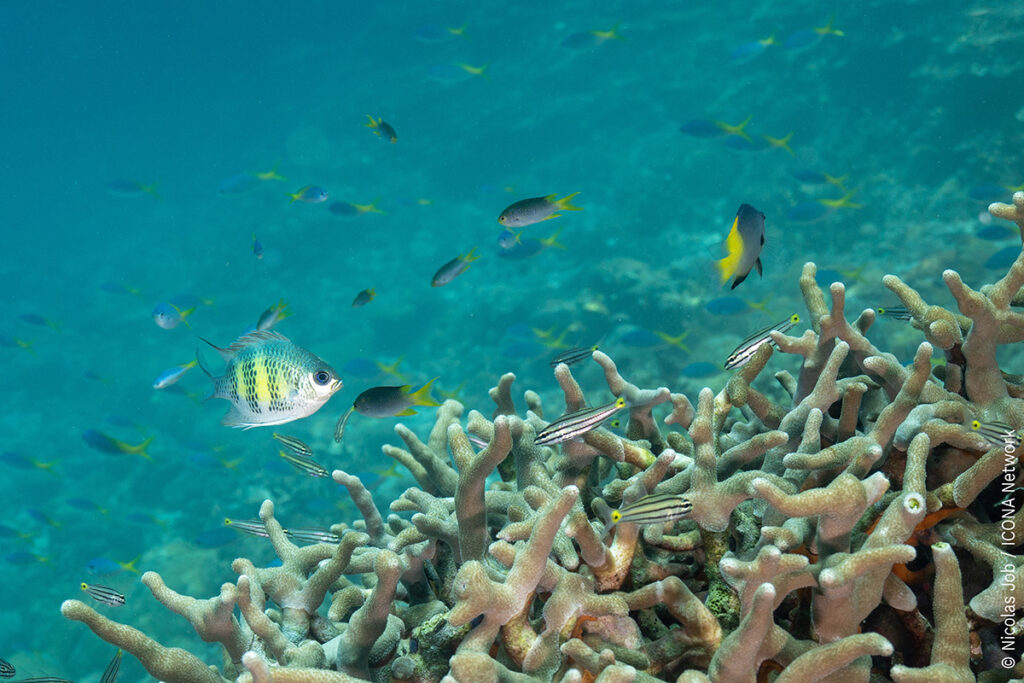
Beyond the lab, Shimoda’s researchers investigate how entire ecosystems are transforming under climate change, ocean acidification, and marine heatwaves. The center’s teams dive into kelp forests, coral communities, and barren grounds, quantifying how shifts in temperature and chemistry reshape biodiversity and productivity.
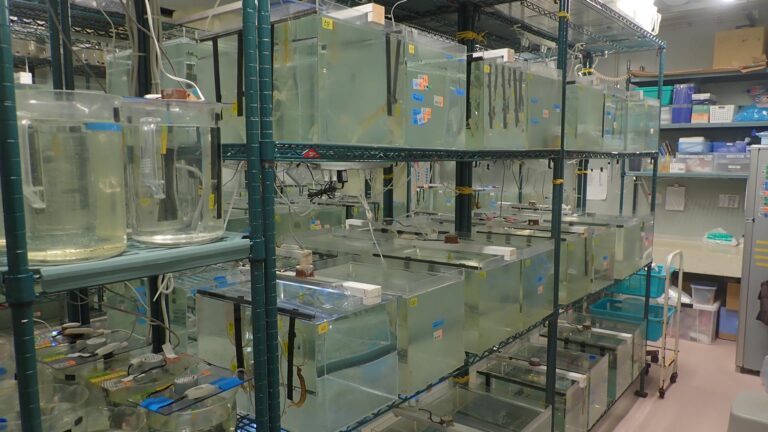
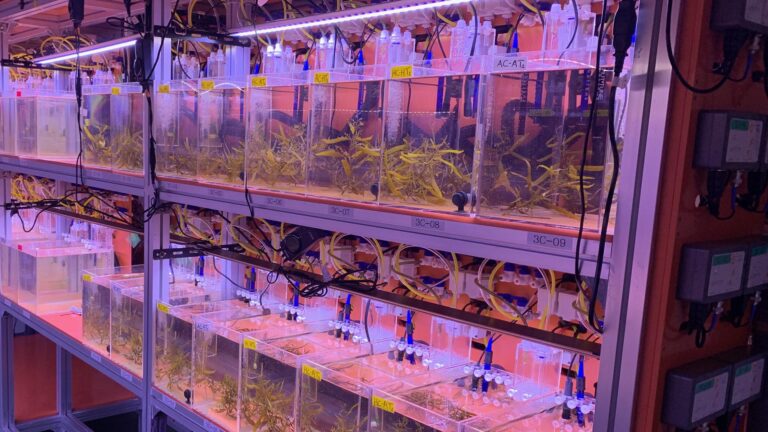
A key site in this research is the CO₂ seep system on Shikine Island, a natural analogue for future ocean acidification conditions. The SMRC maintains a field station there, enabling international collaborations that link local expertise with global networks. Complementing this fieldwork is a state-of-the-art 128-tank experimental aquarium system at Shimoda, allowing precise manipulation of pH and temperature to simulate ocean futures.
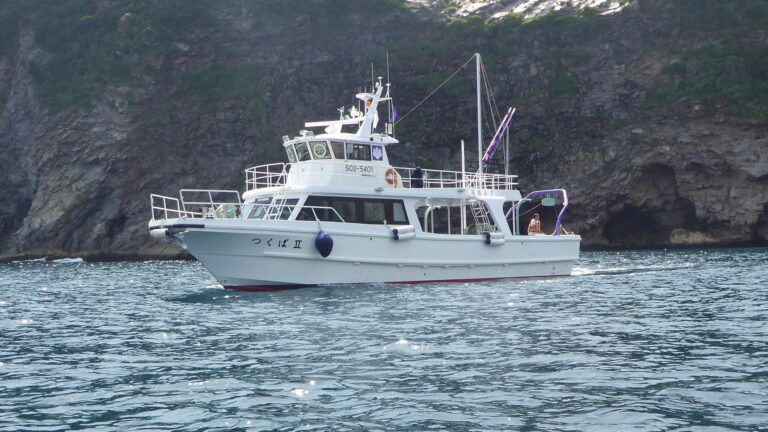
The RV Tsukuba II research vessel supports this work, facilitating benthic surveys, oceanographic sampling, and student training in Shimoda Bay and beyond. Inside the laboratories, an array of mass spectrometers, elemental analyzers, and confocal microscopes allows data from the field to be traced down to the biochemical level—bridging ecosystem ecology with physiology and molecular function.
Collaboration Without Borders
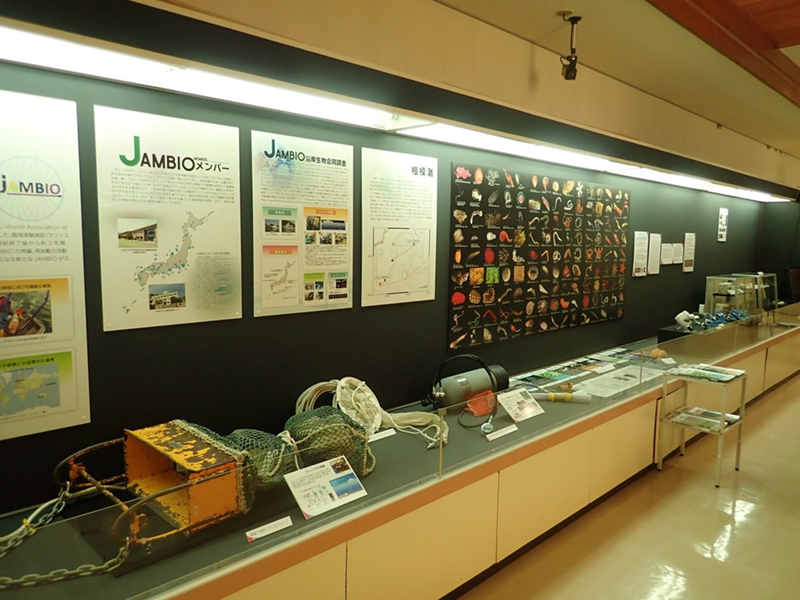
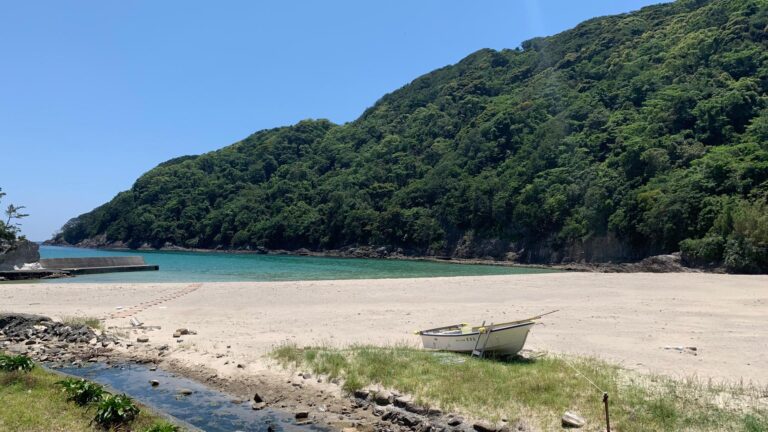
SMRC’s mission extends far beyond the Japanese coastline. It was instrumental in founding JAMBIO, the Japanese Association for Marine Biology, which connects marine stations nationwide to share facilities, data, and training opportunities. Internationally, Shimoda is a founding partner of ICONA, the International CO₂ Natural Analogues Network, linking scientists in Japan, Italy, and France to study ecosystem-scale responses to ocean acidification (a UN Decade of the Ocean Action).
Through these networks, SMRC nurtures collaboration across disciplines and continents—integrating molecular biology with global ocean-change science.
Educating the Next Generation of Ocean Scientists
Teaching and outreach are integral to Shimoda’s identity. The center hosts field courses, international internships, and public lectures, offering students and visitors a firsthand experience of marine science in one of Japan’s most biodiverse coastal regions. These programs welcome participants from universities across Japan and abroad, cultivating skills in taxonomy, reproduction, physiology, field ecology, and environmental monitoring.
A Vision for Integrated Ocean Science
The Shimoda Marine Research Center embodies a holistic approach to marine science: one that connects genes to ecosystems, microscopy to fieldwork, and local waters to global networks. As the world’s oceans continue to change, SMRC remains a place where curiosity meets conservation, and where the smallest cells help explain the fate of entire ecosystems.
To learn more about the SMRC’s research, facilities, and programs, visit https://www.shimoda.tsukuba.ac.jp/en/.